


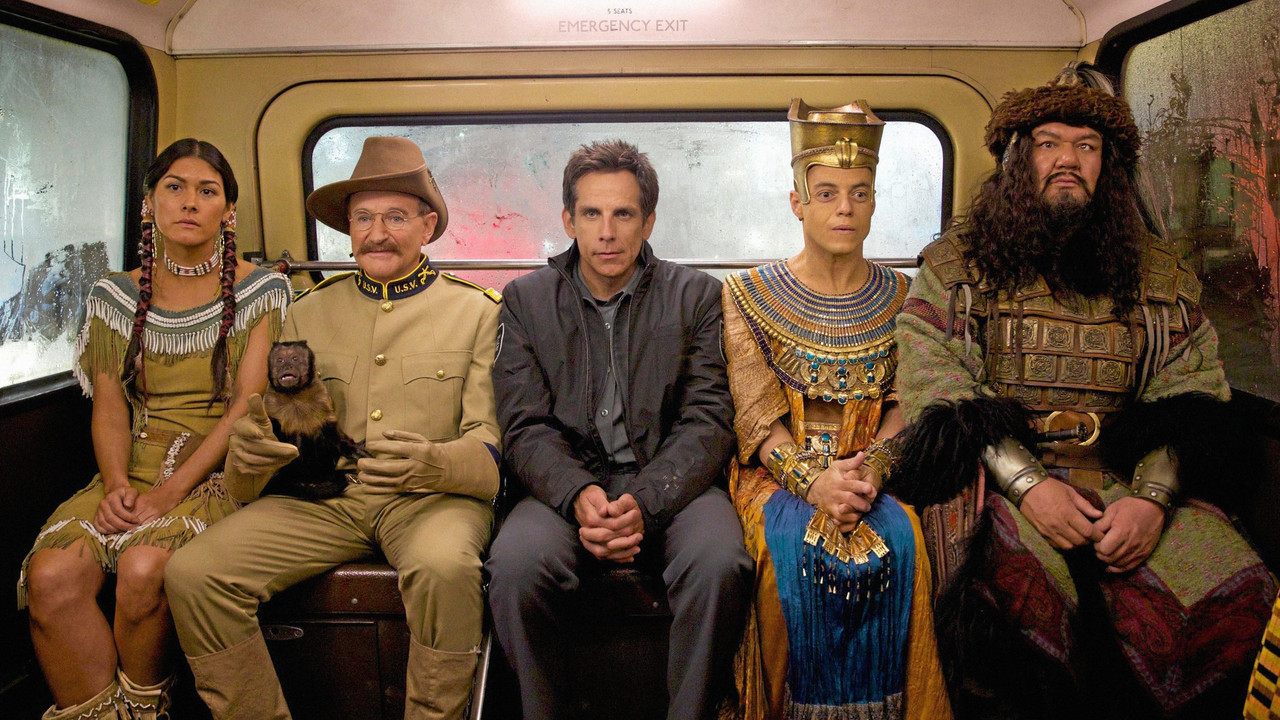
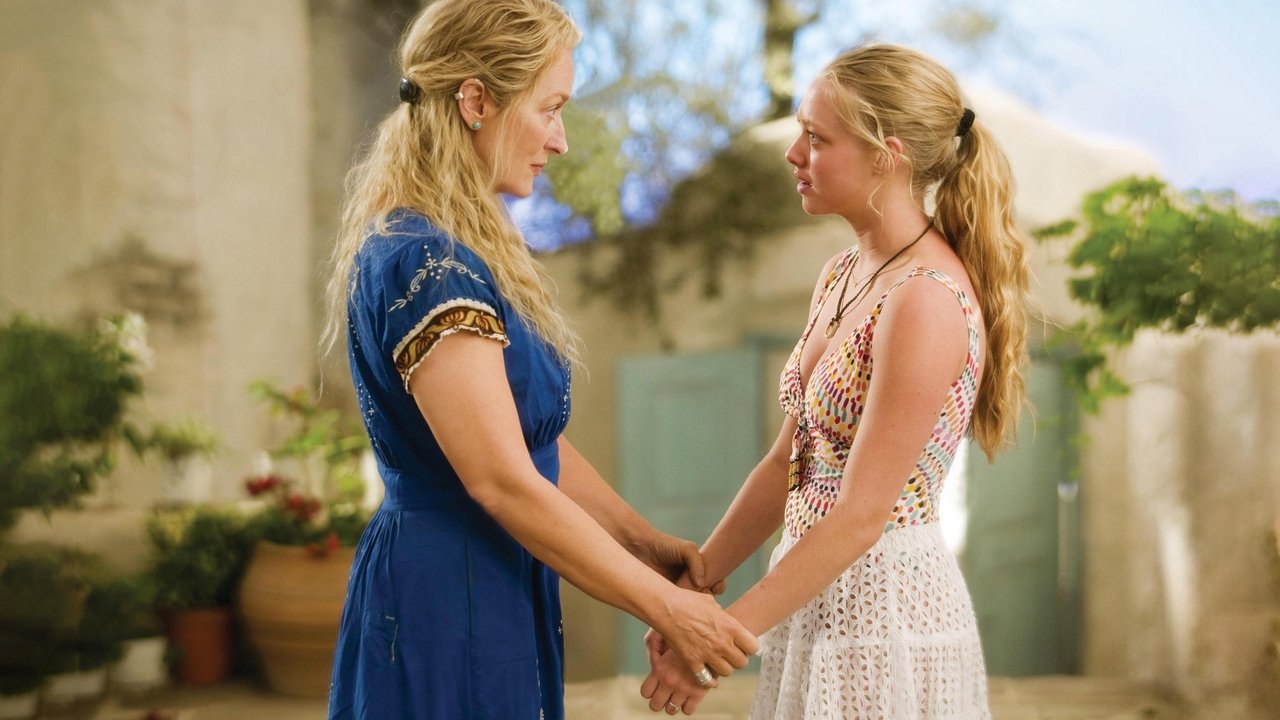


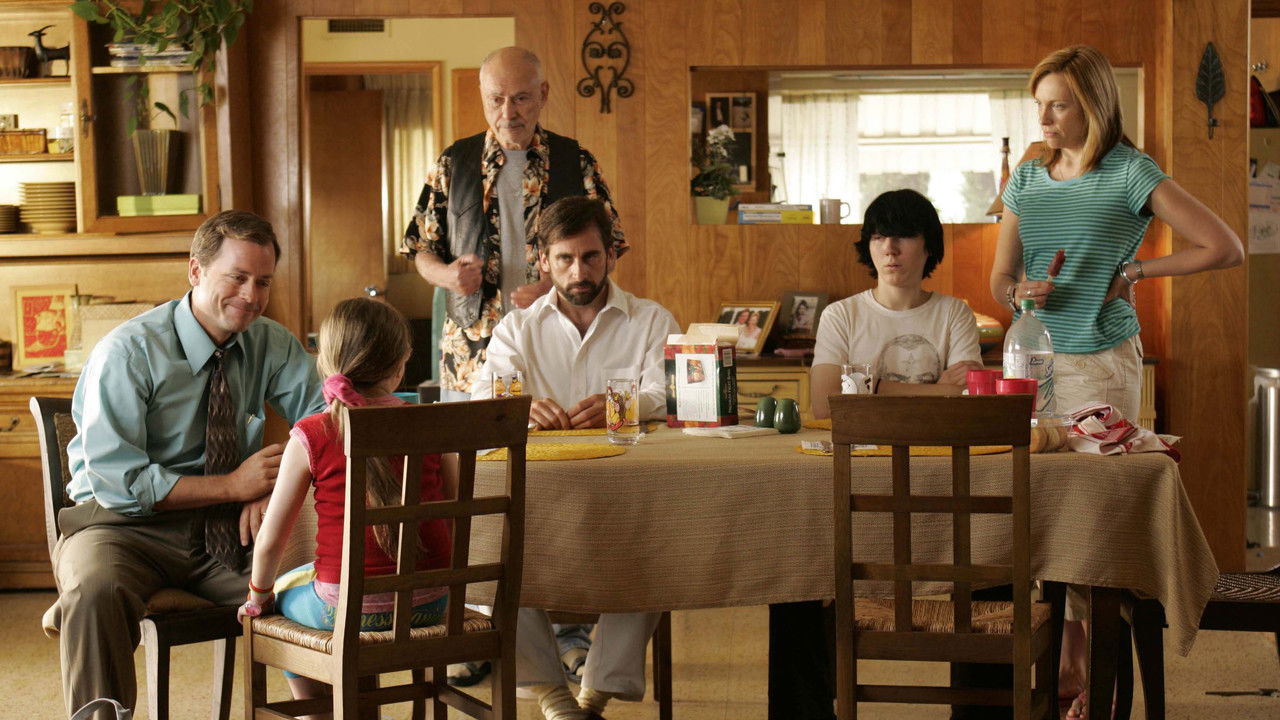
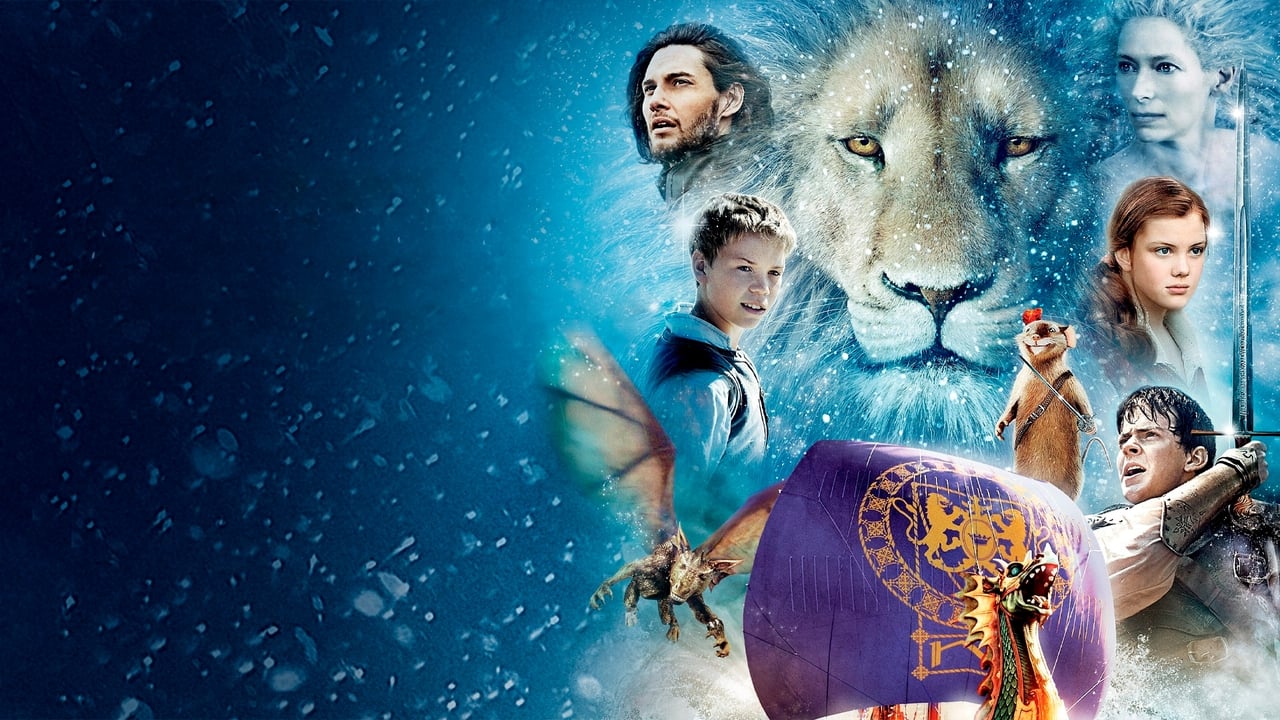


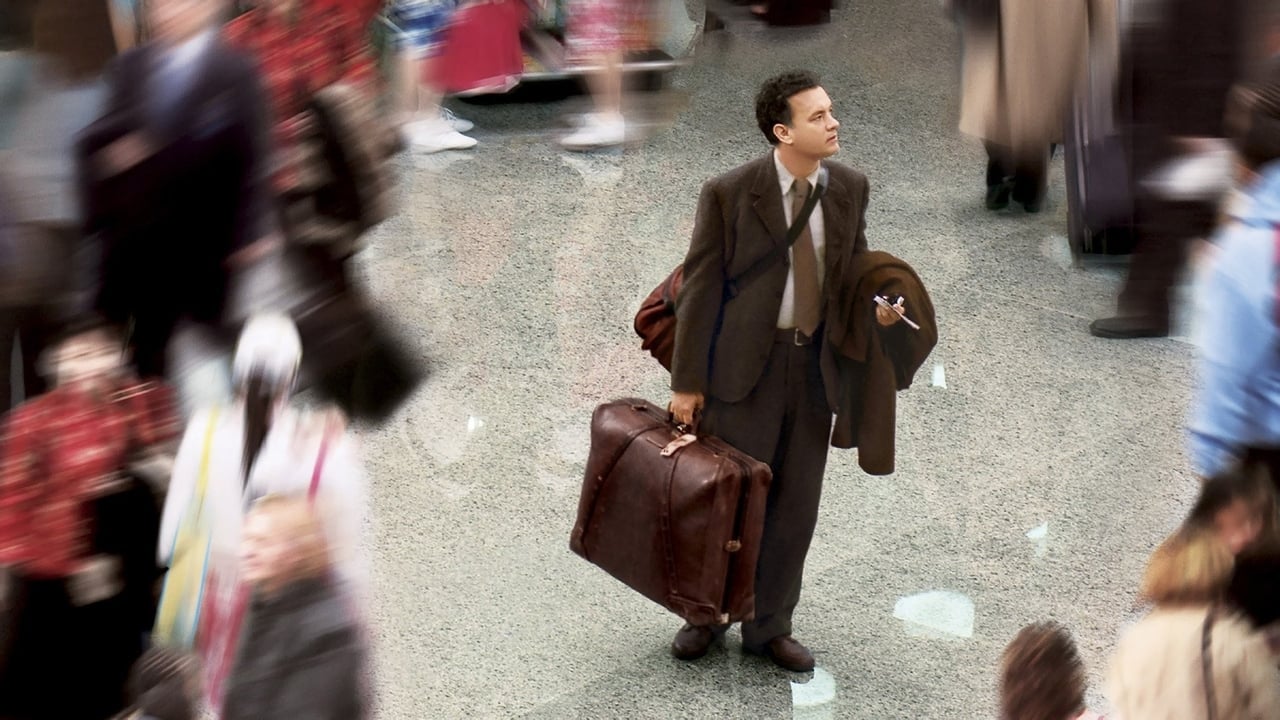

 Little Miss Sunshine2006 · ★ 7.7
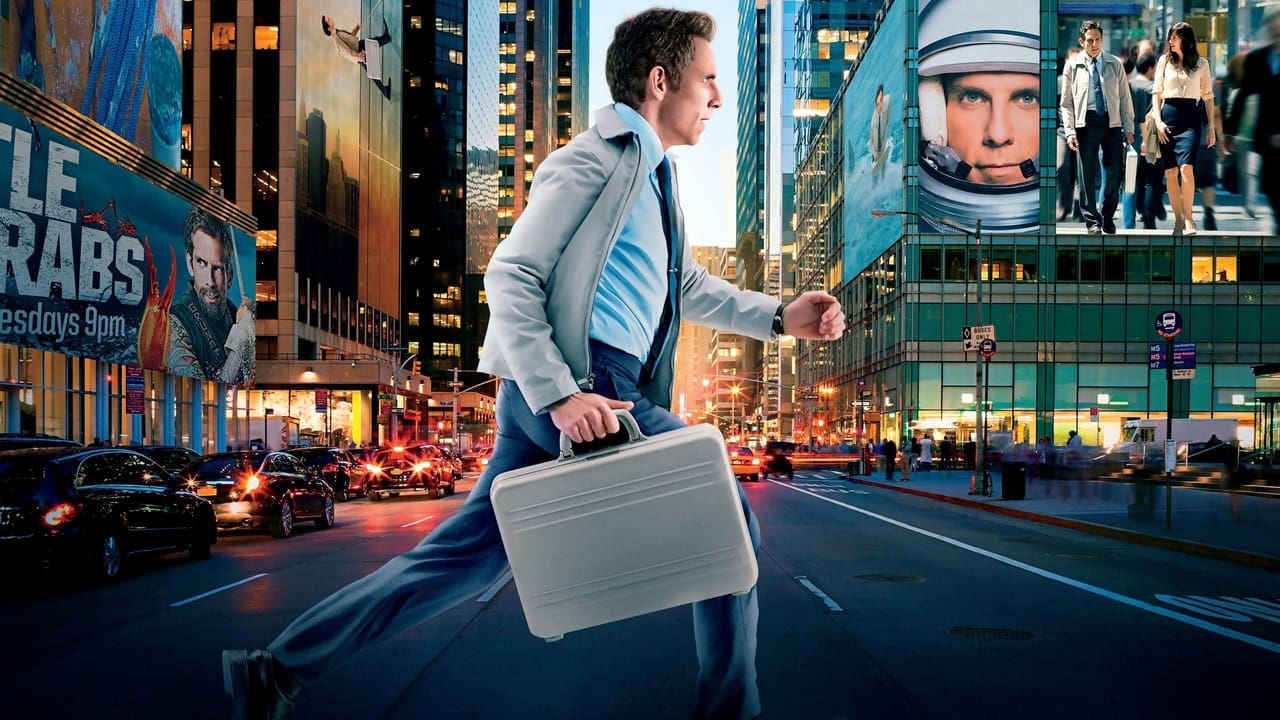
Journeys on screen
InfinityHD
150 movies and 21 series in twelve destinations, each with its rating and a Watch now button.
Start with The Secret Life of Walter MittyTwelve destinations
The open road
Explore (24)Little Miss Sunshine2006 · ★ 7.7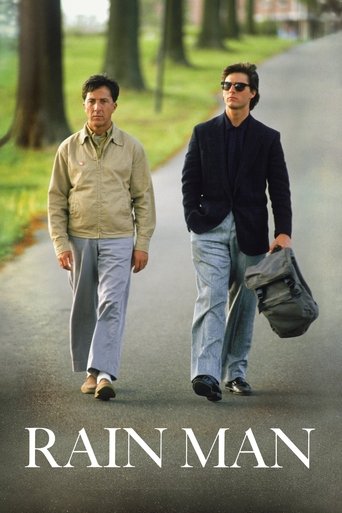 Rain Man1988 · ★ 7.7
 Chef2014 · ★ 7.1
 Rat Race2001 · ★ 6.3
 Nebraska2013 · ★ 7.4
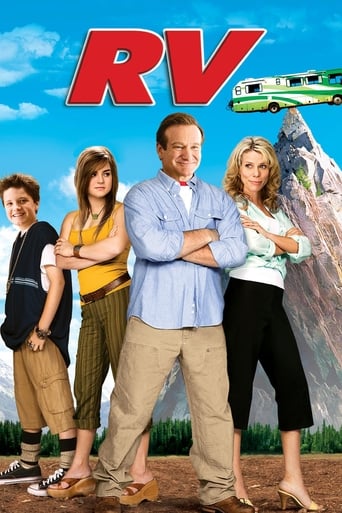 RV2006 · ★ 5.9
Italy
Explore (10)



Islands and oceans
Explore (25)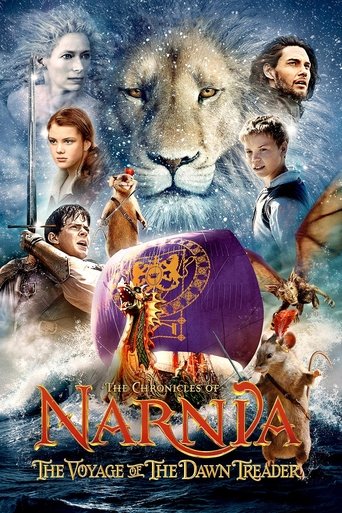


Britain and Ireland
Explore (26)


The wild
Explore (19)

Series
Explore (21)




The InfinityHD guide to journeys on screen
InfinityHD: travel movies and series by destination, from Roman Holiday, Mamma Mia! and Lion to Little Miss Sunshine, The Secret Life of Walter Mitty and Northern Exposure
Films have always been a way of going somewhere. For the price of a ticket an audience of the 1950s could ride a scooter through Rome with a runaway princess; today a family on a sofa can cross America in a yellow van, climb into the Himalayas with a daydreaming office clerk, or sail alone around the world with a sixteen-year-old. InfinityHD is a guide to journeys of that kind. It lists 150 movies and 21 television series made between 1934 and 2025, the work of some 146 directors and about 260 hours of film, and it sorts them as a travel agent would, by destination.
There are twelve destinations. Six are places on the map: Italy with ten titles, France with fifteen, Britain and Ireland with twenty-six, Greece and the Continent with nine, Asia with eleven and Africa with eight. Six are kinds of journey: the open road with twenty-four, islands and oceans with twenty-five, the wild with nineteen, snow and ice with ten, the air with seven, and seven journeys through time. Most of the films are comedies and romances, the natural forms of the holiday, and thirty-nine are family films. Every title was chosen by hand for a household audience, and every title has a page with its summary, its cast, its rating and a Watch now button that leads to the official services carrying it.
This guide visits each destination in turn, beginning with how the site works, and closes with questions and answers. For the steps alone, see the short page on how to watch with InfinityHD.
How InfinityHD works
The home page opens with a wide landscape still under the heading and a button that starts with the featured film. Below it are the twelve destination tiles, each a photograph from one of its films with the name of the destination and the number of titles. Pressing a tile opens the full list.
Rows of posters follow for the open road, Italy, islands and oceans, Britain and Ireland, the wild and the series. Under each poster stand the title, the year and the rating. A title page gives the summary, the running time, the cast with the parts they play, the director and the studio, and for a series every season and episode with its date.
The Watch now button sits beside a country selector. Choose a country, press the button, and JustWatch opens with the subscription, rental, purchase and free services that carry the title there. The page on finding titles lists every route, and My List explains the itinerary.
Italy
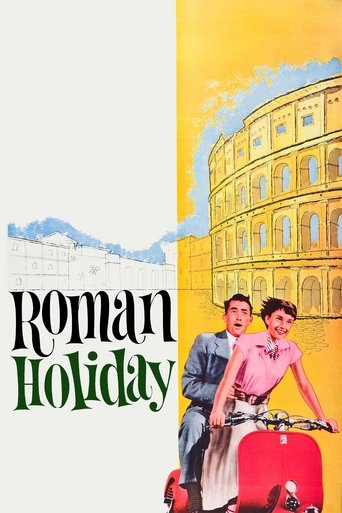
Italy has ten titles, and the first of them is the film that invented the screen holiday. In Roman Holiday, from 1953 and rated 7.9, a young princess on a state visit slips out of her embassy by night and spends one day as an ordinary tourist: a haircut, an ice cream on the Spanish Steps, a ride on a Vespa, a dance on a barge on the Tiber. Her guide is an American reporter, played by Gregory Peck, who has recognised her and scents a story. Audrey Hepburn won the Academy Award in her first leading part, and the film was shot entirely in the real city, which was rare at the time and is half its charm.
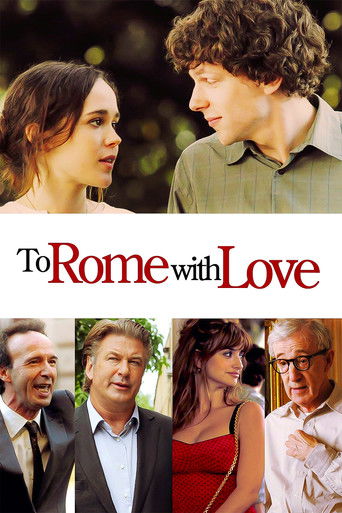
Rome has drawn film-makers ever since. To Rome with Love tells four comic stories at once, among them a retired opera director who discovers a mortician with a magnificent voice that works only in the shower. In When in Rome, a New Yorker takes coins from a fountain of love and is pursued home by the men who threw them. The Lizzie McGuire Movie sends a class of American school-leavers on a trip during which one of them is mistaken for an Italian pop star.
North of Rome, David Lean's Summertime gives a lonely American secretary, played by Katharine Hepburn, a few weeks in Venice, filmed in glowing colour in 1955. Love in the Villa double-books a holiday flat in Verona, beside the courtyard of Juliet's balcony, and A Perfect Pairing is a romance of wine and work. In Made in Italy, a London artist and his son, played by Liam Neeson and his real son, set about repairing a neglected villa in Tuscany, and Book Club: The Next Chapter takes four friends of long standing on the trip they promised themselves decades ago. In Eat Pray Love, Julia Roberts spends four months in Rome learning the language and the pleasure of doing very little. The Italy page sorts the list by city.
France
Fifteen titles are set in France, and Paris claims most of them. Funny Face, from 1957, takes a New York bookshop assistant, a fashion editor and a photographer to the city for a week of shows, and stages its songs on the real boulevards, on the Eiffel Tower and on the steps of the Louvre. Audrey Hepburn returned in Paris When It Sizzles, a comedy about a screenwriter with two days to finish a script. A Little Romance, from 1979, follows a French boy and an American girl, both thirteen and both very clever, who run away to Venice with the help of an elderly gentleman played by Laurence Olivier.
Before Sunset, rated 7.8, is the purest Paris film on the site: a writer on a book tour meets again the woman with whom he once spent a single night in Vienna, and they walk and talk through the Left Bank, a garden and a river boat for the eighty minutes before his flight. Ninotchka and Anastasia show the city as a refuge for Russians of two generations, and Julie & Julia as the place where Julia Child learned to cook.
The rest of the country gets its turn. Mr. Bean's Holiday is a journey by train, bicycle and borrowed car from Paris to the beach at Cannes, with a lost boy and a video camera. Monte Carlo hands three young Texans a week of mistaken identity on the Riviera, Paris Can Wait is a leisurely drive from Cannes to Paris by way of every good restaurant on the road, and The Hundred-Foot Journey settles an Indian family in a village in the south-west. The Wrong Paris, from 2025, plays a joke on its heroine, who signs up for a programme in Paris and finds herself in the Texan town of the same name. The France page has the full list.
Britain and Ireland
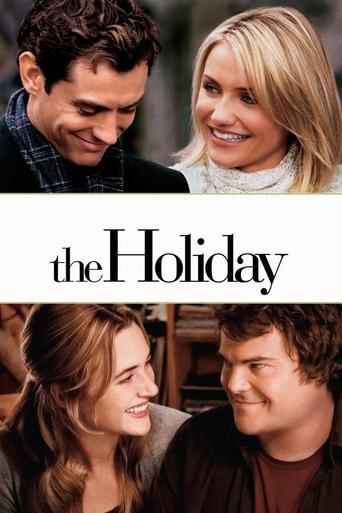
Twenty-six titles make Britain and Ireland the largest destination on the map, and its commonest traveller is the American abroad. In The Holiday, a Los Angeles film-trailer editor and a Surrey newspaper columnist swap houses for Christmas, and each finds in the other's country what she lacked at home. What a Girl Wants sends a New York teenager to London to meet the father she has only read about, an earl with political ambitions. Chasing Liberty lets the daughter of an American president slip her bodyguards and cross Europe by train and gondola, and Winning London takes two sisters to a student conference with plenty of time for sightseeing.
Austenland is a comedy about a resort in the English countryside where guests dress, dine and flirt as in a Jane Austen novel. A Castle for Christmas installs an American novelist in a Scottish castle whose owner would rather keep it, and Irish Wish grants a wish made on a stone in the west of Ireland. Londoners travel too, of course: the heroine of Upgraded bluffs her way from New York into the London art world, and two strangers in Love at First Sight meet on a transatlantic flight.
Scotland has two of the finest films on the site. Local Hero, from 1983, sends a Houston oil executive to buy a fishing village on the west coast, where the beach, the northern lights and the unhurried inhabitants gradually undo his plans. I Know Where I'm Going!, from 1945, strands a headstrong bride-to-be on the Isle of Mull within sight of the island where her wealthy fiancé is waiting, and keeps her there until she knows her own mind.
Ireland contributes Sing Street, rated 7.9, in which a Dublin schoolboy of the 1980s forms a band and dreams of London across the water, and Belfast, a childhood remembered in black and white. On television, Derry Girls, rated 8.1, follows five schoolfriends in Northern Ireland, All Creatures Great & Small, rated 8.2, tours the Yorkshire Dales with a country vet, and Free Rein sends a girl from Los Angeles to an island off the English coast for the summer. The Britain and Ireland page arranges them by country.
Greece and the Continent
Nine titles cover Greece and the rest of the Continent. The Greek island film is a genre in itself, thanks to Mamma Mia! and Mamma Mia! Here We Go Again, in which a small hotel on a blue bay hosts a wedding, three possible fathers and most of the songs of ABBA. The Sisterhood of the Traveling Pants sends one of its four friends to her grandparents on Santorini, among white walls and donkeys, and its sequel returns there. My Life in Ruins follows a harassed tour guide and a coachload of visitors around the temples of the mainland, and My Big Fat Greek Wedding 2 keeps the spirit of the country alive in Chicago.
Before Sunrise, rated 8.0, belongs to Vienna. Two students, an American and a Frenchwoman, meet on a train from Budapest; he persuades her to get off with him, and they wander the city until dawn, past the Ferris wheel, a record shop listening booth and a poet on the canal bank. The Cheetah Girls 2 takes a New York girl group to a music festival in Barcelona, and Queen Christina, from 1934 and one of the two oldest films on InfinityHD, follows the Swedish queen on a journey in disguise through the snow. The Greece and the Continent page lists all nine.
Asia
Eleven titles travel to Asia. Lion, rated 8.0, is the most moving journey in the catalogue. A boy of five from central India falls asleep on a train and wakes in Calcutta, a thousand miles away, unable to name his village; he is adopted by a couple in Tasmania, and as a young man, played by Dev Patel, he traces his way home across a satellite map. It is a true story. The Second Best Exotic Marigold Hotel returns to a guest house in Jaipur and its British residents, Outsourced sends an American manager to train his replacements in a call centre outside Mumbai, where he learns rather more than he teaches, and Million Dollar Arm follows a sports agent across India in search of cricketers who can throw a baseball.
Further east, The Ramen Girl apprentices an American to a Tokyo noodle master, Already Tomorrow in Hong Kong walks two strangers through that city by night, and Crazy Rich Asians is a tour of Singapore at its most dazzling, from hawker stalls to a wedding in a flooded church. Lost Horizon, from 1937, crashes a planeload of Westerners in the Himalayas and leads them to the hidden valley of Shangri-La. The Asia page has more.
Africa
Africa has eight titles, three of them classics filmed on the spot. King Solomon's Mines, from 1950, took its stars and its Technicolor cameras across Kenya, Tanganyika and the Congo, and its footage of landscape and wildlife astonished audiences of the day. Hatari!, from 1962, is a relaxed adventure about a team who catch animals for zoos, and at 157 minutes the longest film here. Born Free tells the true story of Elsa the lioness.
The modern safaris are romances: Holiday in the Wild, set at an elephant orphanage in Zambia, and Love on Safari, in which an American web designer inherits a game reserve in South Africa. Road to Morocco, from 1942, is pure comedy, with Bing Crosby and Bob Hope shipwrecked on a desert shore and riding a camel into trouble. See the Africa page.
The open road
Twenty-four titles take to the road, the most American of journeys. Little Miss Sunshine, rated 7.7, is the modern classic. A family from Albuquerque, a motivational speaker, his exhausted wife, a silent teenage son, a grandfather, a scholar uncle and a seven-year-old with a dream, drive eight hundred miles to a children's beauty pageant in California in a yellow van whose clutch has failed, so that they must push it and jump in. Rain Man, rated 7.7, crosses the country from Cincinnati to Los Angeles in a 1949 convertible, at the pace set by a brother who will travel only on back roads.
The family holiday supplies a long list of comedies. Robin Williams hires a motorhome in RV; the family of Johnson Family Vacation drive from California to a reunion in Missouri; the Heffleys of Diary of a Wimpy Kid: The Long Haul set out for a great-grandmother's ninetieth birthday; and Are We There Yet? became a hundred-episode series. Rat Race turns the road into a contest, with six teams racing from Las Vegas to a locker in New Mexico.
Some road films are about what the driver learns. In Chef, a cook who has lost his restaurant job buys a food truck in Miami and drives it home to Los Angeles with his young son, stopping in New Orleans and Austin to cook what he finds. Nebraska follows an old man and his patient son from Montana to Lincoln to collect a prize that exists only in his mind, and Harry and Tonto, from 1974, an elderly New Yorker and his cat on a slow journey west. The World's Fastest Indian is the true story of a New Zealander in his sixties who shipped a home-built motorcycle to the salt flats of Utah. It Happened One Night, from 1934, started it all, with an heiress and a reporter on a night bus. The open road page sorts the trips.
Islands and oceans
Twenty-five titles are set on islands or at sea, the largest of the journey lists. Hawaii is the favourite shore. Blue Hawaii, from 1961, returns Elvis Presley from the army to the beaches of Oahu as a tour guide with a ukulele. Blue Crush, from 2002, follows a young surfer on the north shore as she prepares for the most dangerous wave of the season, and its water photography is still thrilling. A newer adventure sends two Brooklyn children to their grandfather on Oahu and into a treasure hunt, and on television Doogie Kamealoha, M.D. follows a sixteen-year-old doctor between the hospital and the surf.
The open sea has three strong films. True Spirit, from 2023, tells the true story of Jessica Watson, an Australian who set out at sixteen to sail alone around the world, through storms, knockdowns and seven months of solitude. Captains Courageous, from 1937, puts a rich man's son aboard a fishing schooner on the Grand Banks, and The Old Man and the Sea films the famous story of a Cuban fisherman and a great marlin. The Chronicles of Narnia: The Voyage of the Dawn Treader sails a ship with a dragon's prow to the edge of an imagined world.
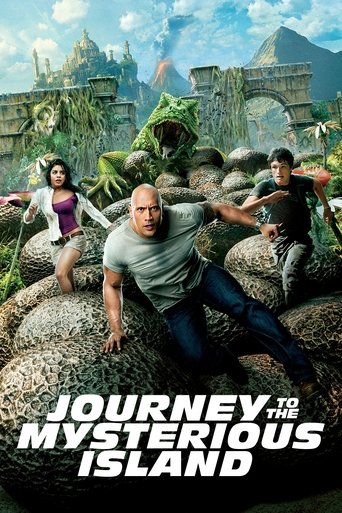
Lighter voyages include Journey 2: The Mysterious Island, Return to Nim's Island, Road to Bali and Fun in Acapulco, and the summer-holiday comedies Summer Rental, One Crazy Summer and The Way Way Back, set in beach towns of the American east coast. Dolphin Tale, Flipper and the Australian Storm Boy belong to the shoreline.
Television loves an island. Gilligan's Island kept seven castaways on theirs for 98 episodes. H2O: Just Add Water and Mako: Island of Secrets are set on the Gold Coast of Australia, Acapulco at a Mexican resort in 1984, and Fantasy Island at a hotel where the wishes of the guests are granted in surprising ways. The islands and oceans page lists them all.
The wild
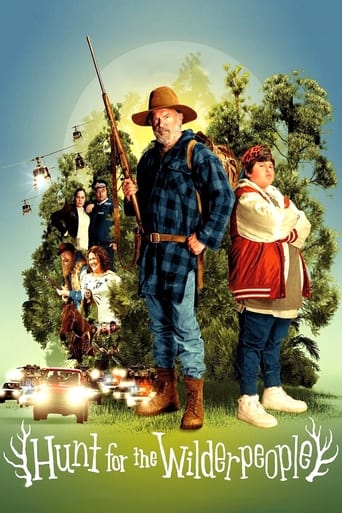
Nineteen titles leave the roads behind. Hunt for the Wilderpeople, rated 7.6, is the funniest. A city boy in foster care and his gruff new uncle disappear into the New Zealand bush, and a national manhunt forms behind them while the pair, who can barely stand each other, learn to live off the land. The Secret Life of Walter Mitty sends a timid photo archivist after a missing negative, by helicopter over Greenland, by longboard down an Icelandic mountain road and on foot into the Himalayas, and its landscapes are the grandest in the catalogue.
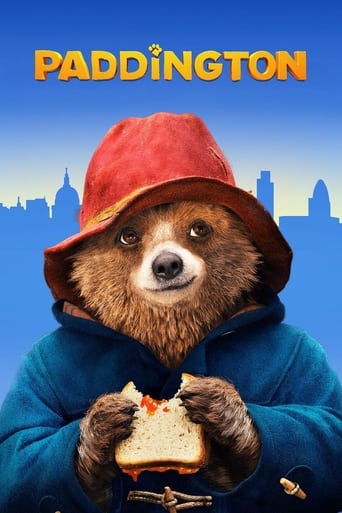
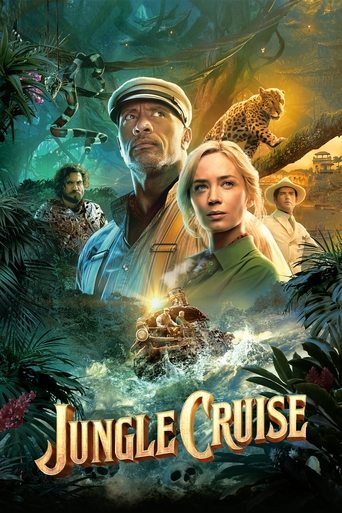
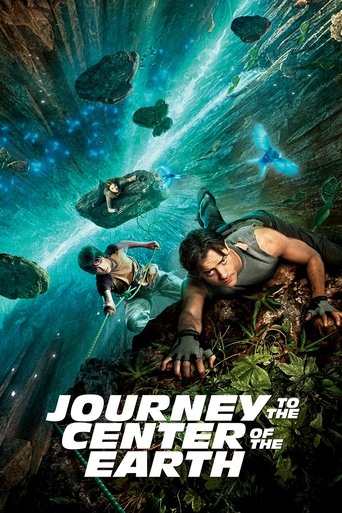
Jungles offer adventure of an older kind. Jungle Cruise steams up the Amazon in 1916 in search of a healing tree, Dora and the Lost City of Gold treks through Peru, Paddington in Peru takes a small bear home to look for his aunt, and Jumanji: The Next Level crosses desert, rope bridges and snow inside a video game. Journey to the Center of the Earth goes straight down.
The American West and the Australian outback complete the list. In City Slickers, three New Yorkers in middle age pay to drive a herd of cattle from New Mexico to Colorado, under a trail boss of few words played by Jack Palance. The Big Sky and North to Alaska are frontier journeys, Red Dog: True Blue and The Man From Snowy River II are Australian, and Falling Inn Love sends a San Francisco executive to restore a country inn she has won in New Zealand. The wild page groups them by terrain.
Snow and ice
Ten titles head for the cold. Alaska provides Togo, rated 8.1, the true story of the sled dog who led the hardest leg of a life-saving relay in 1925; Big Miracle, about the rescue of three whales trapped in the ice; Snow Dogs and The Great Alaskan Race. The television series Northern Exposure, rated 7.8, sends a young New York doctor to a small Alaskan town to repay his scholarship, and over 110 episodes its moose, its philosopher disc jockey and its bush pilot become the best company on television.
Winter sport supplies three underdog stories. Cool Runnings follows the first Jamaican bobsleigh team from the beach to the Calgary Olympics of 1988; Eddie the Eagle is about a British ski jumper at the same Games; and Chalet Girl takes a London teenager to a job in the Austrian Alps, where she discovers a talent for snowboarding. Midnight Sun and Alaska are family adventures on the Arctic ice. The snow and ice page has the list.
In the air
Seven titles are about flying itself. The Terminal, rated 7.4, is the great airport film. A visitor from eastern Europe lands in New York to find that a coup at home has cancelled his passport; unable to enter the country or leave it, he lives for months in the international lounge, and makes a life there. Up in the Air follows a man who spends more than three hundred days a year on the road and has made a philosophy of travelling light.
The Spirit of St. Louis recreates the first solo flight from New York to Paris in 1927, with James Stewart alone in the cockpit for thirty-three hours, and Those Magnificent Men in Their Flying Machines or How I Flew from London to Paris in 25 Hours 11 Minutes is a comedy of the earliest air race. Wings, a sitcom set at a tiny airline on the island of Nantucket, ran for 172 episodes, more than any other series here. The in the air page lists all seven.
Through time
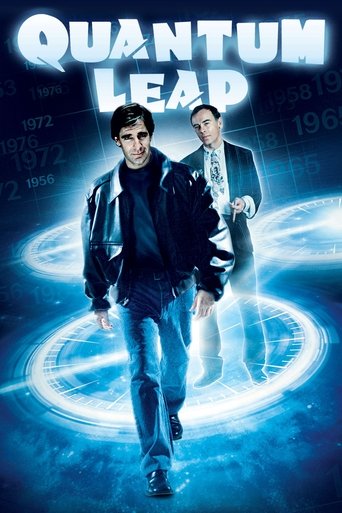
The last destination is the least expected. Seven series are journeys of a stranger kind, across centuries or into a corner of the country where life runs differently. Quantum Leap, rated 8.0, sends a scientist bouncing through the second half of the twentieth century, landing each week in a different person's life with one wrong to put right before he can leap again. The Time Tunnel, from 1966, drops two researchers into the Titanic, Pearl Harbor and Jericho; Voyagers! gives a boy and a time traveller a pocket device and a list of repairs to history; and in Travelers the visitors come from the future.
The Librarians and Relic Hunter are globe-trotting treasure hunts with a new country every week, and Hart of Dixie is a journey of another sort, a New York surgeon learning the customs of a small town in Alabama. The through time page explains the list.
Six kinds of traveller
Watch enough travel films and the travellers sort themselves into types. The first is the escapee, who slips away from a life that has grown too tight: the princess of Roman Holiday, the president's daughter of Chasing Liberty, the heiress of It Happened One Night. Their journeys are short and their freedom is borrowed, which gives these films a sweetness edged with regret.
The second is the mender, who travels to recover from a loss. The heroine of Eat Pray Love leaves a marriage; the father of Made in Italy has been grieving for years; the women of The Holiday have each had their hearts broken a week before Christmas. The place heals them, usually with the help of food, a slower clock and a stranger who listens.
The third is the seeker, with a particular goal: a lost home in Lion, a missing photograph in The Secret Life of Walter Mitty, a land speed record in The World's Fastest Indian, a father in What a Girl Wants. The fourth is the reluctant traveller, dragged along by family, like every teenager in a road comedy and the grandfather of Little Miss Sunshine.
The fifth is the worker abroad, sent by an employer and changed by the posting: the manager of Outsourced, the oil man of Local Hero, the doctor of Northern Exposure. And the sixth is the adventurer, who goes for the sake of going, by sail in True Spirit, by biplane in the air-race comedy and by riverboat in Jungle Cruise. Most viewers will recognise themselves in at least one.
Love abroad
Sixty-eight of the movies are romances, and the holiday romance has rules as fixed as a sonnet. Two people meet far from home, or one is far from home and the other is the local guide. They have a limited number of days. The place itself is the third character, and its sights, the fountain, the bridge, the sunset from a hill, mark the stages of the courtship. At the end comes the question the whole film has been asking: was it the person, or was it the place?
The classic answers are bittersweet. Roman Holiday and Summertime both end at a point of departure, and are remembered for it. Before Sunrise leaves its lovers on a railway platform with a promise, and waits nine years to say whether it was kept. The modern answers are kinder: the couples of Love in the Villa, Falling Inn Love, A Castle for Christmas, Irish Wish and Love Hard, in which a Los Angeles writer flies across the country to surprise a man she has met only online, all find that the feeling survives the flight home, or that home can be moved.
A third group plays the genre for comedy. Boeing, Boeing, from 1965, concerns a Paris bachelor engaged to three air hostesses whose timetables suddenly change. Can You Keep a Secret? begins on a turbulent flight, where a nervous passenger confides everything to the stranger beside her. Your Place or Mine swaps two old friends between New York and Los Angeles for a week, and Half Brothers sends two men who have just learned they are related on a road trip that their late father planned as a puzzle.
Journeys for the family
Thirty-nine movies carry the Family label, and many of the best journeys here can be shared with children. Animals lead several: the two dogs and a cat of Homeward Bound: The Incredible Journey, who cross the Sierra Nevada to find their owners, the three pets of the 1963 original, and the collie of Lassie Come Home, who walks from Scotland to Yorkshire. Paddington is a travel film in reverse, a visitor from Peru learning the strange customs of London.
Child travellers appear in The Lizzie McGuire Movie, Passport to Paris, Getting There, in which two sisters with new driving licences set out for the Winter Olympics, and iCarly: iGo to Japan. The Muppet Movie, from 1979, is a road film from a Florida swamp to Hollywood, in a Studebaker driven by a bear. Pee-wee's Big Adventure crosses America in pursuit of a stolen bicycle, and Dutch puts a working man and a spoiled schoolboy on the road home for Thanksgiving. For winter evenings there is Togo, and for summer Teen Beach Movie.
Classic journeys
Thirty-one of the movies were made before 1980, when a trip abroad was a rare luxury and the cinema was the nearest most people came to it. Hollywood sent its cameras overseas in earnest in the 1950s, and the results, shot in the new wide-screen and colour processes, were travel brochures of a high order: Roman Holiday, Summertime, Funny Face, King Solomon's Mines, and the Scottish Highlands rebuilt on a soundstage for Brigadoon.
The comedies of the 1940s preferred to travel in jest. The two films with Bing Crosby and Bob Hope, Road to Morocco and Road to Bali, were shot in California and admit as much to the camera. The 1960s added the Elvis Presley holiday pictures, the African adventures and the great air-race comedy, and the 1970s closed with A Little Romance and The Muppet Movie. The classics link in the footer opens the full list.
Trains, boats, vans and scooters
How the travellers move is half the fun, and the catalogue is a small museum of transport. Trains carry the most romance. The lovers of Before Sunrise meet in a railway carriage, the boy of Lion is carried off by one, and the princesses, heiresses and reporters of the 1930s lived in sleeper cars. Chasing Liberty makes good use of the night train to Venice, and Mr. Bean's Holiday begins with a missed connection at the Gare de Lyon.
The car and the van belong to America. The yellow microbus of Little Miss Sunshine, the cream convertible of Rain Man, the wheezing motorhome of RV, the classic Mustang of Getting There and the food truck of Chef are characters in their own right, and each breaks down at the moment the story needs it to. Tommy Boy destroys a car piece by piece across the Midwest, and The World's Fastest Indian is devoted to a motorcycle older than most of its admirers.
On water there is the Amazon steamer of Jungle Cruise, the pink yacht of True Spirit, the schooner of Captains Courageous and the river barge of Roman Holiday. In the air, the fragile monoplane of The Spirit of St. Louis and the early flying machines of the 1910 air race. And on two wheels, the Vespa that Gregory Peck and Audrey Hepburn ride through the traffic of Rome, perhaps the most famous journey of a mile ever filmed.
Summer away, Christmas away
Travel films follow the calendar. Summer belongs to the beach and the long drive. The Way Way Back, rated 7.1, is the most truthful summer film on the site: a fourteen-year-old dragged to a seaside town by his mother's overbearing boyfriend finds a refuge, and a friend, at a run-down water park. Summer Rental, One Crazy Summer, Teen Beach Movie and both films about the travelling pants are made of sunburn, ferries and friends who will be different by September.
Christmas sends people in the other direction, towards snow and family. The Holiday is set between Christmas Eve and the New Year, Love Hard and Christmas Inheritance in snowbound small towns, A Castle for Christmas in the Scottish winter and Our Little Secret at a family gathering where two former sweethearts must pretend to be strangers. Holiday in the Wild offers the alternative, a Christmas under the African sun. Either season can be found by typing its name into the search field.
Coming home
Every journey ends somewhere, and a good third of these films are really about the return. Lion spends its second half on the way back to a village its hero can barely picture. The pets of Homeward Bound: The Incredible Journey and the collie of Lassie Come Home know exactly where they are going. Paddington in Peru and Belfast are about the pull of a first home, and Sing Street about the equally strong pull away from one.
Sometimes the traveller comes back changed and the home has stayed the same, as in The Secret Life of Walter Mitty, whose hero returns to his desk a different man. Sometimes the traveller chooses to stay away, and makes the new place home: the oil man of Local Hero would if he could, the doctor of Northern Exposure very nearly does, and the heroines of Falling Inn Love and Made in Italy settle where they landed. The best travel films send their audiences home, too, a little more curious than they came.
Real places you can visit
A pleasant feature of this catalogue is that so much of it was filmed where it is set. The Rome of Roman Holiday is the real city, from the Mouth of Truth to the Spanish Steps, and visitors still retrace the route. The Greek films were shot on real islands, Local Hero on a real beach in the Highlands and in a real village on the opposite coast, and Mamma Mia! turned one small chapel on a rock into a place of pilgrimage for wedding parties.
The Secret Life of Walter Mitty used Iceland for Greenland, Afghanistan and itself, and sent tourism to all its locations. Hunt for the Wilderpeople is a tour of the forests and volcanic plateau of the North Island of New Zealand. Before Sunrise and Before Sunset can be followed on foot through Vienna and Paris with only the films as a map, and many viewers have done so. Crazy Rich Asians made stars of Singapore's gardens and hawker centres.
Even the American road films double as itineraries: the desert highways of Little Miss Sunshine, the Route 66 towns of Rat Race, the New Orleans and Austin of Chef, the Sandhills of Nebraska. A viewer planning a real holiday could do worse than begin here, and each title page names the countries in which the film was produced.
Travelling companions
Who you travel with matters more than where you go, and the films know it. The classic pairing is two people who would hardly have chosen each other at the outset. In Rain Man, a brother who lives by impulse must keep to the timetable of a brother who lives by routine. In Tommy Boy, a cheerful heir and a sour accountant share a sales trip that will decide the fate of a factory. Dutch gives a building contractor three days in a car with a twelve-year-old snob, and Hunt for the Wilderpeople gives a silent bushman a talkative boy who composes haiku.
Friends make gentler company. The four women of Book Club: The Next Chapter have been reading together for decades, the three of Monte Carlo set out as near-strangers and return as sisters, and the four of the travelling pants keep one another close across an ocean by posting a single pair of jeans. Families travel in every size, from the father and son of Chef and Nebraska to the minibus of relations in Little Miss Sunshine and the coachload of mismatched tourists in My Life in Ruins, who begin the week as a burden to their guide and end it as her friends.
And some travel alone, at least to begin with: the sailor of True Spirit, the pilot of The Spirit of St. Louis, the man with one small bag in Up in the Air, the secretary in Venice. Their films are about what solitude teaches, and they are among the most rewarding on the map. Whatever the company, the pattern holds: people set out as one thing and arrive as another, and the miles between are where the story happens.
Travelling by appetite
For a good many viewers the best part of any journey is the food, and the catalogue caters to them. The Hundred-Foot Journey is about the distance between an Indian family's restaurant and the celebrated French establishment across the road, and a young cook who learns both kitchens. Julie & Julia moves between a tiny flat in Queens and the markets of post-war Paris. Chef is a tour of American regional cooking from Cuban sandwiches to Texas brisket, and The Ramen Girl treats a bowl of noodle soup as a year's study.
Paris Can Wait measures its drive north in lunches, and Eat Pray Love gives one of its three sections to the pizza and pasta of Italy. Crazy Rich Asians opens its tour of Singapore at an open-air food court, A Perfect Pairing is set among vineyards, and My Big Fat Greek Wedding 2 proves that a family table travels wherever the family does. These are films to watch after supper, or before booking a table.
The series
Twenty-one series with 1,340 episodes run through the destinations. The longest is Wings, with 172 episodes, followed by Northern Exposure with 110 and Are We There Yet? with 100. Gilligan's Island has 98, Quantum Leap 96, Skippy the Bush Kangaroo 91 and Daktari 89. The shortest, Fantasy Island in its 1998 version, has 13.
The highest-rated are All Creatures Great & Small at 8.2, Derry Girls at 8.1 and Quantum Leap at 8.0, with Free Rein at 7.9. A series is the long-haul option: where a film is a weekend away, Northern Exposure is a year in another town, and viewers who finish it often speak of homesickness.
The top rated list
Around thirty titles hold a rating of 7.3 or higher. Among the films, Togo leads at 8.1, followed by Lion and Before Sunrise at 8.0, Roman Holiday and Sing Street at 7.9, and It Happened One Night and Before Sunset at 7.8. Rain Man and Little Miss Sunshine stand at 7.7. Dogs, princesses, students on trains and a family in a van: the list is a fair sample of the whole map. The Top rated link in the bar opens it.
Planning by length of trip
A journey on screen can be fitted to the time available. For a short hop, Already Tomorrow in Hong Kong lasts 79 minutes and Before Sunset 80; each is a single walk through a single city. For a standard evening, most of the films run between ninety minutes and two hours. For a long weekend, take a destination and watch three in a row: Italy by way of Roman Holiday, Summertime and Made in Italy, or the open road by way of It Happened One Night, Rain Man and Little Miss Sunshine, three road films made across seventy years.
For a season, choose a series. And for an armchair tour of the world, take one title from each of the twelve destinations; the tiles on the home page are laid out for exactly that purpose. Add each stop to My List as you go, and the itinerary will be waiting when you next open the site.
A title page in detail
Every title page follows one plan. The poster, the title, the year and the genres stand at the top, with the summary and two buttons, Watch now and the list button. The Where to watch panel holds the country selector. A table gives the original title, the release date, the language, the country of production, the studio and the audience rating with its count of votes.
The cast is listed with the parts played, and the director is credited beneath. A series page adds every season and episode with its number, title and date; the page for Quantum Leap lists all 96 leaps in order. Related titles from the same destination close the page, so that one Italian holiday leads to the next.
Questions and answers
Questions
What is InfinityHD?
InfinityHD is a guide to journeys on screen: 150 movies and 21 series made between 1934 and 2025, sorted into twelve destinations. Each title has a page with its summary, cast and rating, and a Watch now button that leads to the official services carrying it.
What are the twelve destinations?
Italy, France, Britain and Ireland, Greece and the Continent, Asia, Africa, the open road, islands and oceans, the wild, snow and ice, in the air, and through time.
How do I watch a title?
Open its page, select your country in the Where to watch panel and press the Watch now button. JustWatch then shows the subscription, rental, purchase and free services that carry the title in that country.
Which journeys are rated highest?
All Creatures Great and Small leads at 8.2 among the series. Among the films, Togo stands at 8.1, Lion and Before Sunrise at 8.0, and Roman Holiday and Sing Street at 7.9.
Which is the largest destination?
Britain and Ireland, with twenty-six titles, followed by islands and oceans with twenty-five and the open road with twenty-four.
Are there road-trip films?
Yes. Twenty-four, from It Happened One Night in 1934 to Little Miss Sunshine, Rain Man, Chef and Nebraska.
Are the films suitable for families?
Every title was chosen by hand for a household audience, and thirty-nine movies carry the Family label. Each page gives the genres and a summary to help parents choose.
How old is the oldest film?
It Happened One Night and Queen Christina both date from 1934. Thirty-one of the movies were made before 1980.
What is the itinerary?
My List is an itinerary of titles to watch. It travels with the browser on the device in use, reflects each change the instant it is made, and can be issued as a file from the list page.
Where does the information come from?
Posters, ratings, casts, episode lists and production details come from TMDB. The guide on this page and the help pages are written for InfinityHD.
